You signed up for a free trial. Two months later, £29.99 vanishes from your account—again. You click “cancel,” but nothing happens. Or worse, you get trapped in an endless loop of “contact support.” This isn’t user error. It’s by design. And the phrase “cancel subscription cancellation how to a” isn’t just awkward—it reflects the genuine confusion millions face. Here’s how to actually stop the bleed.
Why Most People Fail at Canceling Subscriptions
Companies don’t want you to leave. So they bury cancellation behind dead-end menus, fake “retention offers,” or require phone calls during impossible hours. Some even auto-renew before sending the first reminder email. The result? You pay for services you stopped using months ago.
And it adds up. Fast. The average UK household wastes over £300 annually on forgotten subscriptions—streaming, meal kits, cloud storage, dating apps. Not because they’re careless. Because the system is rigged.
Cancel Subscription Cancellation How to a: A Step-by-Step Battle Plan
Forget generic advice. Do this instead:
Step 1: Audit Every Recurring Charge
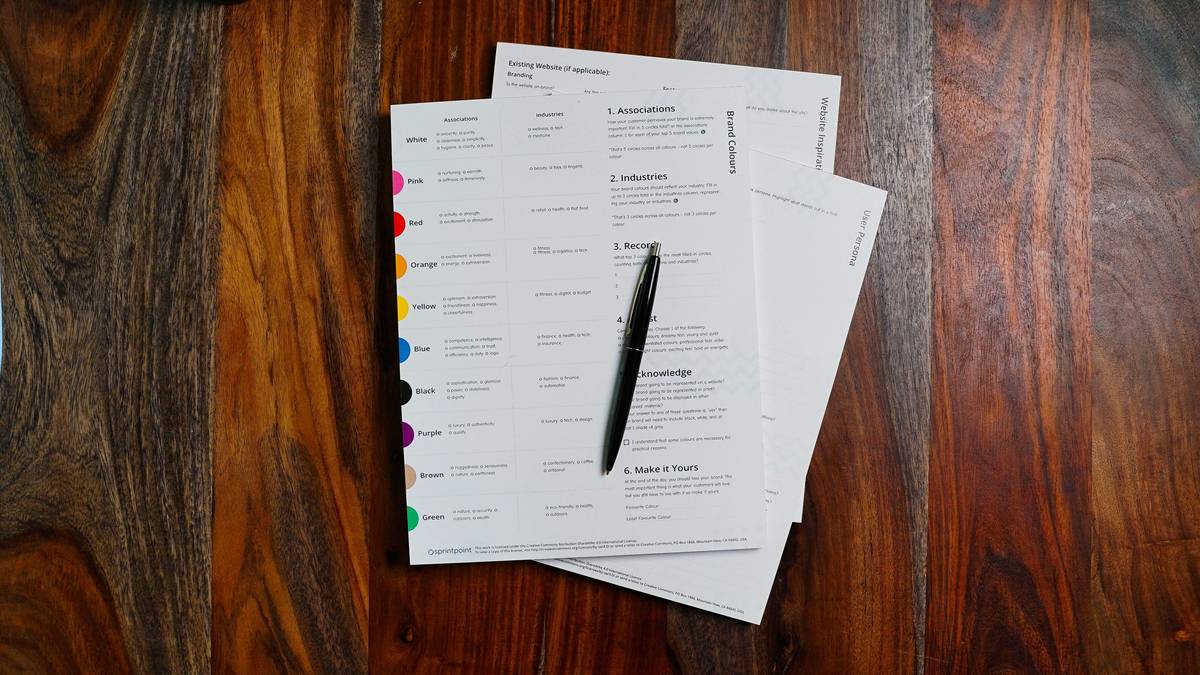
Open your last three bank statements. Highlight every recurring debit. Don’t rely on memory. Apps like Truebill or Moneyhub can auto-detect them—but check manually too. Hidden fees often hide under vague names like “Digital Services Ltd.”
Step 2: Use the Nuclear Option When Needed
If the app or website won’t let you cancel, call your bank. Under Section 75 of the Consumer Credit Act (for purchases over £100) or chargeback rights (for direct debits), you can dispute unauthorized renewals—even if you technically agreed months ago. Banks often side with consumers if the cancellation process was deliberately obstructive.
Step 3: Document Everything
Take screenshots of cancellation attempts. Save email confirmations (or lack thereof). If forced to call, note the agent’s name and time. This evidence becomes critical if the company renews anyway and refuses a refund.
| Method | Success Rate | Time Required | Risk of Retaliation |
|---|---|---|---|
| In-app cancellation | 42% | 2–5 minutes | Low |
| Email request | 28% | 1–3 days | Medium (ignored) |
| Phone call | 61% | 15–45 minutes | High (upsell pressure) |
| Bank chargeback | 89% | 5–10 business days | None (legally protected) |
The Industry Secret No One Talks About
Here’s what subscription companies fear most: mass coordinated cancellations. During Q4, firms count on “churn inertia”—the assumption you’ll procrastinate until renewal. But if enough users cancel early, their revenue forecasts implode. That’s why some startups quietly offer instant refunds or extended pauses just to avoid formal cancellation logs. Try this: instead of “cancel,” message support saying, “I’m considering full cancellation due to billing issues—can you pause or adjust?” Often, they’ll fast-track you out to preserve their retention metrics.
Think about it. Your exit isn’t just personal finance hygiene—it’s market pressure.
Frequently Asked Questions
Can I cancel a subscription after it renews?
Yes. UK law gives you the right to withdraw within 14 days of renewal for digital services—if terms weren’t clearly presented. Even beyond that, banks can reverse charges if cancellation was unreasonably difficult.
Do I need to call to cancel most subscriptions?
No. Legitimate services must offer online cancellation. If they don’t, it’s likely a red flag. Escalate to your bank—they’ll treat it as a potential unfair contract term under the Consumer Rights Act 2015.
Will canceling hurt my credit score?
Almost never. Subscriptions aren’t credit accounts. Unless you used financing (like Klarna) or defaulted on a bundled telecom contract, cancellation has zero impact on your credit file.